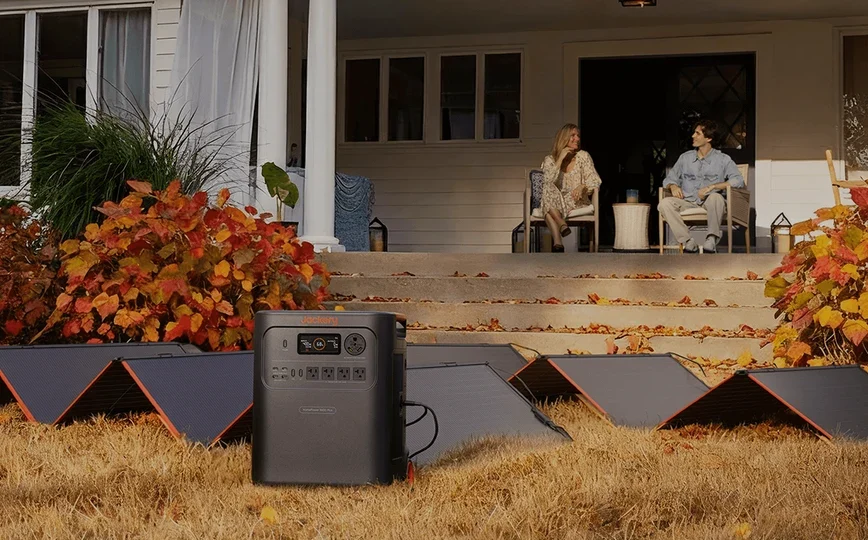
Life away from the grid does not have to mean life without power. Whether you are camping deep in the mountains, working remotely from a rooftop terrace or preparing a home for the next unexpected outage, a reliable portable power station changes everything. Jackery US has built a strong reputation around this idea, producing solar generators and power stations designed to go wherever people go, without the noise, fumes or fuel costs of a traditional generator.
What Makes a Portable Power Station Different
A portable power station is essentially a large rechargeable battery with multiple output ports, AC outlets, USB-A, USB-C, DC carports and sometimes even wireless charging pads. Unlike gas generators, they operate silently and produce zero emissions. You can use them indoors, in tents, in vehicles or on apartment balconies without worry. Combined with solar panels, they become fully self-sustaining energy systems that recharge from sunlight alone.
The key specs to look at are capacity (measured in watt-hours) and output power (measured in watts). A higher watt-hour number means longer run time. A higher wattage output means the unit can handle more demanding appliances like electric skillets, mini-fridges or CPAP machines. Most people underestimate how much they can run on a mid-size unit once they start using one regularly.
How Solar Charging Works in Practice
Solar charging is the feature that elevates portable power from a convenience to a genuine off-grid solution. Pairing a power station with foldable solar panels means the unit can recharge during the day while you use power at night. On a clear sunny day, a good setup can go from near-empty to full without touching a wall outlet.
The panels fold flat for transport and open wide to catch maximum light. Most quality panels include a handle and kickstand so you can angle them toward the sun without any extra equipment. Efficiency ratings vary, but panels rated around 200W can make a meaningful difference on trips lasting more than a day or two.
Jackery US solar panels are designed specifically to work with their power stations, which means compatibility is straightforward and charging profiles are optimized out of the box. You are not hunting for adapters or guessing at input limits.

Best Use Cases for a Portable Power Station
People reach for portable power stations in a wide range of situations. Some of the most practical ones include
- Weekend camping trips where you want to charge phones, run a small fan and power LED lighting
- Van life and overlanding setups that need reliable energy for cooking gear, navigation devices and communication tools
- Remote work situations where a reliable power source matters more than a coffee shop outlet
- Emergency preparedness kits that cover outages for medical devices, lighting and internet routers
- Outdoor events and tailgating where you need to power speakers, lights and phone chargers without running extension cords
Matching Capacity to Your Actual Needs
One of the most common mistakes people make when shopping for a portable power station is guessing at the capacity they need. A simple way to estimate add up the watt ratings of the devices you plan to run, then multiply by the number of hours you expect to use them per day. That gives you a rough daily watt-hour need. Buying something with at least 20% more capacity than that number gives you a comfortable buffer.
A compact 300Wh unit handles phones, small fans and camera batteries well. A 1000Wh to 2000Wh unit starts to handle full-size laptops, small appliances and CPAP therapy. Larger units above 2000Wh can run refrigerators or power tools for hours. Jackery US offers options across this entire spectrum, which makes it easier to find something sized right rather than settling for a unit that is too small or paying for capacity you will never use.
Why Build Quality and Safety Features Matter
Battery management systems (BMS) are what separate a quality portable power station from one that just looks the part. A solid BMS protects against overcharge, over-discharge, overcurrent, short circuits and temperature extremes. It is the engineering layer that keeps lithium batteries safe over hundreds of charge cycles.
Units with lithium iron phosphate (LiFePO4) chemistry take this further. LiFePO4 batteries are more thermally stable than standard lithium-ion, which matters when units are left in a hot car, charged in direct sunlight or used for extended periods. They also tend to last significantly more charge cycles, which extends the useful life of the product. Jackery US has incorporated these battery technologies across key product lines, which is why their units continue to earn strong reviews from people who use them hard over time.
Setting Up Your First Solar Generator System
Getting started is simpler than most people expect. You connect the solar panels to the power station using the included cables, position the panels in direct sunlight and the station begins charging immediately. Most units have a display showing input wattage, remaining capacity and estimated time to full charge. There is no configuration required, no settings to dial in, no technical knowledge needed.
For home backup use, you charge the unit via wall outlet ahead of time, then keep it ready for outages. For camping, you rely on solar input during the day and use stored power at night. Both approaches work well and many people end up doing both depending on where they are. If you have been on the fence about investing in a portable power solution, the experience of running through even one camping weekend or power outage with a unit like those from Jackery US tends to settle the question.
Portable power has moved well past the early adopter phase. These units are reliable, quiet, genuinely useful and increasingly affordable for what they deliver. For anyone spending time outdoors or simply wanting a smarter way to handle energy at home, a solar generator setup is one of the few purchases that keeps proving its value long after the initial excitement fades.